
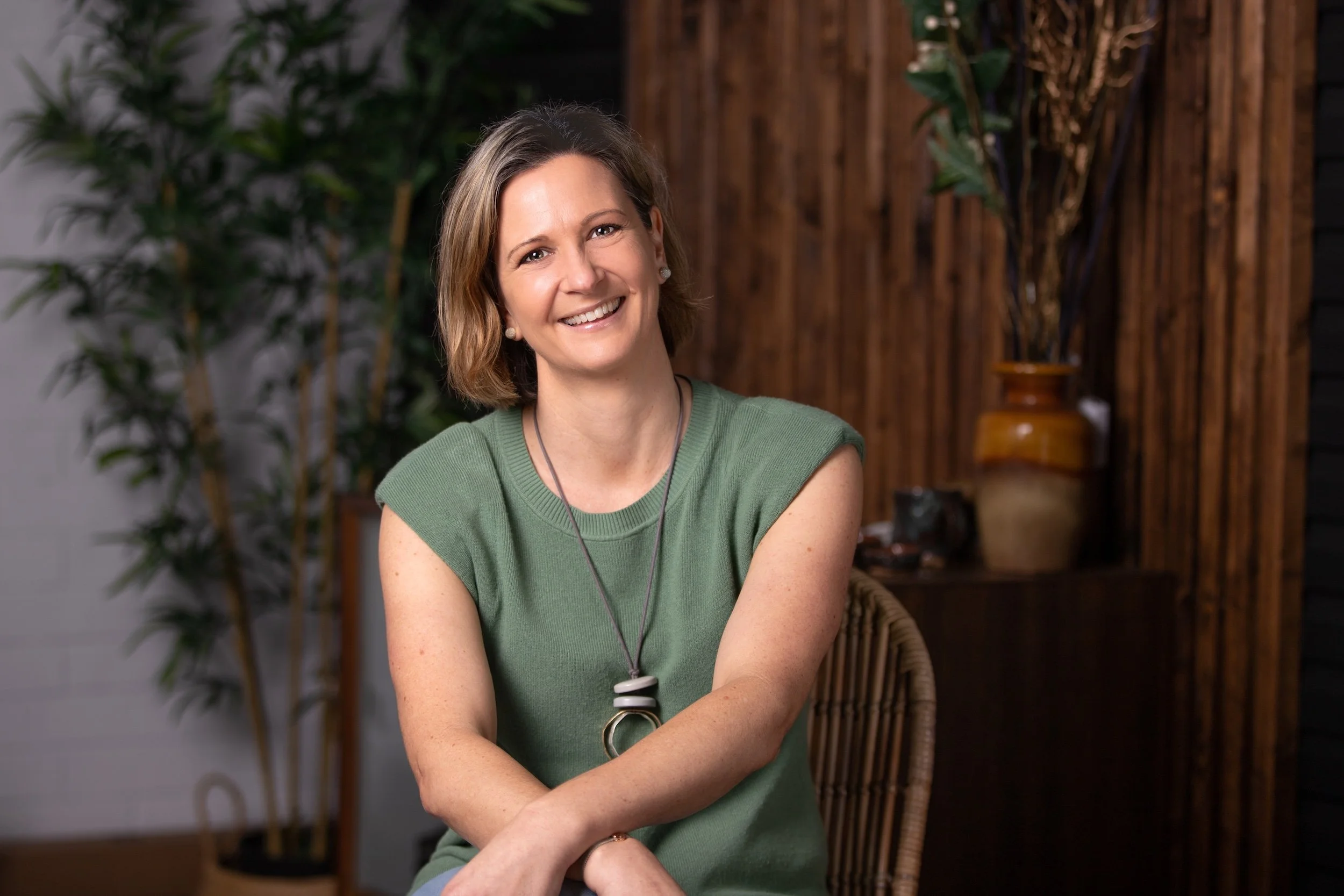
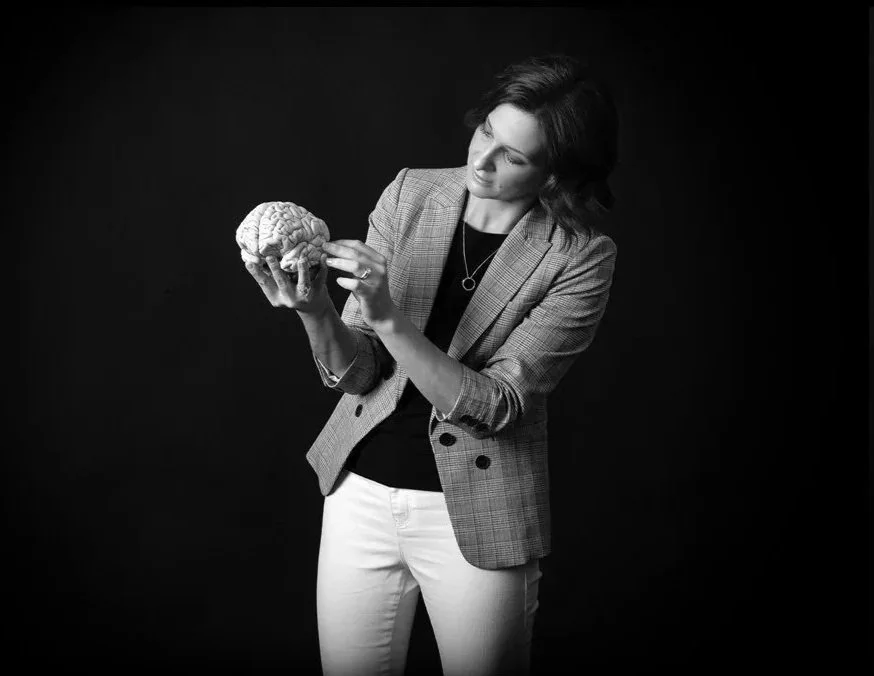
MEET INEKA WHITEMAN PHD
Neuroscientist. Medical affairs leader. Rare disease strategist.
I'm Dr Ineka Whiteman, a neuroscientist, medical affairs leader and rare disease strategist with over 20 years of experience spanning academic research, the pharmaceutical and biotechnology industry, government and global patient advocacy.
My career has taken me from the laboratory to the international rare disease landscape, where I lead scientific initiatives, shape research strategies and bring together the expertise and resources needed to advance innovation.
I believe meaningful progress requires more than scientific excellence. It demands strategic vision, purposeful collaboration and a deep understanding of the people whose lives we ultimately seek to improve.
MY STORY
From understanding disease to advancing solutions.
My path into neuroscience wasn’t a conventional one. I began studying Law and Politics, but while working in the office of the Australian Federal Minister for Aged Care, I saw firsthand the impact of dementia on individuals, families and communities. That experience sparked a fascination with the biology of neurodegenerative disease, and a determination to make a difference. So I exchanged public policy for the laboratory.
Through my studies at the University of Oxford, University of Sydney and Colorado State University, I built a strong foundation in neuroscience, culminating in a PhD and postdoctoral research into the molecular mechanisms of Alzheimer’s disease.
“No scientific literature or clinical data can teach what patients and their families can.”
I’ve always been as passionate about communicating science as I am about understanding it. That pull towards translating research into real progress led me into pharmaceutical medical affairs and, since 2018, the international rare disease sector. There I’ve worked alongside leading researchers, clinicians, industry partners, patient organisations and families.
Working closely with families affected by rare disease has profoundly shaped my perspective. It’s given me an understanding of their challenges, priorities and unmet needs that no scientific literature or clinical data can provide, and it informs every strategy I help shape.
A career spanning science, policy, industry and patient advocacy.
01. Government, Science Policy & Advocacy
Experience in Australian federal government, including serving as Liaison Officer to the Federal Minister for Aged Care, and as a Board Member of Science & Technology Australia, representing the Medical & Cognitive Sciences Cluster. Developed expertise in public policy, science advocacy and engagement across government, industry and the research community.

02.
Foundations in Neuroscience
Studied Physiological Sciences and Advanced Neuroscience at the University of Oxford and University of Sydney, graduating with First Class Honours and receiving academic recognition for excellence.

03.
Doctoral & Postdoctoral Research
Awarded a PhD from the University of Sydney School of Medicine for research investigating the molecular mechanisms of Alzheimer's disease, with multiple first-author peer-reviewed publications arising from this work.

04. Pharmaceutical Industry & Medical Affairs
Held senior medical affairs leadership roles at Pfizer Australia and New Zealand, including Acting Associate Medical Director. Led medical strategy across cardiovascular, metabolic and women's health portfolios, contributing to regulatory submissions, expert-led clinical consensus initiatives and multidisciplinary collaborations to inform clinical practice.

05.
International Rare Disease Advocacy & Leadership
Scientific and medical affairs leadership across international rare disease research and patient advocacy organisations, driving patient-centred research initiatives, research programs, clinical collaborations and strategic partnerships. Through Beyond Rare Consulting, I bring these experiences together to help organisations strengthen the role of patient advocacy in research and development, advance therapeutic innovation and improve outcomes for people living with rare diseases.

CURRENT LEADERSHIP ROLES
Scientific & medical affairs leadership across the Batten disease landscape.
Alongside Beyond Rare Consulting, I hold several leadership and advisory roles supporting international research, clinical collaboration and patient-centred innovation in rare disease.
-
![Batten Disease Support and Research Association Australia and BDSRA Foundation logos]()
1. Head of Research & Medical Affairs
Batten Disease Support, Research & Advocacy (BDSRA) Foundation, USA and BDSRA Australia
Providing scientific leadership and strategic oversight of research initiatives, medical affairs activities, family education and support, clinical collaborations and partnerships.
-
![Beyond Batten Disease Foundation logo with blue abstract figure and gray text]()
2. Principal Scientific Consultant
Beyond Batten Disease Foundation, USA
Providing scientific and strategic advisory support across research initiatives, therapeutic development and international collaborations.
-
![COE logo with text reading “A BDSRA Foundation Designation Center of Excellence”]()
3. Clinical Centers of Excellence Program Leadership
BDSRA Foundation, USA
Supporting the development and coordination of a network of specialist clinical centres to strengthen access to expertise, multidisciplinary care and research opportunities.
-
![Batten Disease Global Research Initiative logo with multicolored circular swirl symbol and text]()
4. Director, Batten Disease Global Research Initiative (BDGRI)
Leading an international competitive research funding initiative supporting innovative, collaborative research across the neuronal ceroid lipofuscinoses.
-
![BDCRC logo featuring a colorful fingerprint brain icon and the text “Behavioral Data Science official research center.”]()
5. Co-Lead, Pilot Project Core
NIH-funded Batten Disease Clinical Research Consortium (BDCRC)
Supporting the development and coordination of pilot research initiatives within a collaborative US-based clinical research network.
QUALIFICATIONS & RECOGNITION
Grounded in science.
Driven by purpose.
-
Doctor of Philosophy (PhD), 2011
University of Sydney, School of Medicine
Research focus: Molecular mechanisms of Alzheimer's diseaseBachelor of Science (First Class Honours), 2007
University of Sydney, with advanced neuroscience studies at the University of Oxford -
Oliver Stevens Scholarship, WORLD Symposium 2027 – Awarded in recognition of contributions to rare disease research and patient advocacy.
Core Lead in the successful NIH Rare Diseases Clinical Research Network award supporting the Batten Disease Clinical Research Consortium, 2025-2030
Board Member, Science & Technology Australia, 2013-2016
McAvoy Prize for Most Outstanding Honours performance, University of Sydney, 2007
First in Advanced Neuroscience, University of Sydney, 2005
-
My scientific and professional contributions include peer-reviewed research publications, invited presentations and engagement with international scientific, clinical and patient advocacy audiences.
My speaking engagements span fundamental neuroscience, rare disease research strategy, therapeutic development and the role of patient organisations in accelerating scientific and clinical progress.

A little more about me:
While my professional life connects me with researchers, clinicians, families and collaborators around the world, home is Queenstown, New Zealand, where I live with my husband and our two children.
Living in one of the world's most beautiful natural environments provides a welcome balance to the demands of international scientific and strategic work.
I remain deeply motivated by the people behind the science, particularly the families whose lives are shaped by rare diseases and whose determination continually reinforces the importance of the work we do.
For me, the true measure of scientific progress is not simply what we discover, but the difference we make in people's lives.